
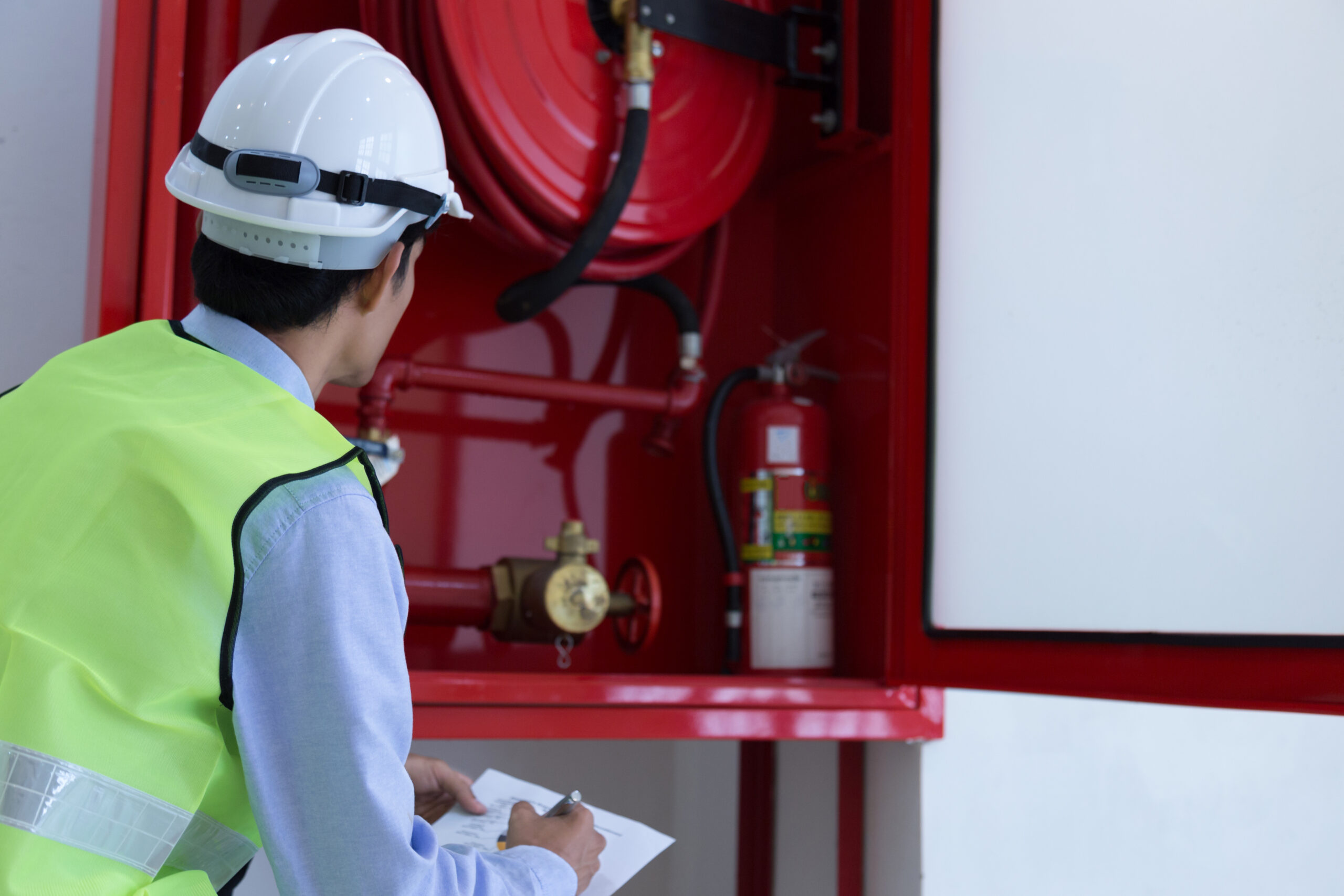
If you manage properties or oversee construction and renovation projects, you already know this situation. A system goes down, a permit requires coverage, or a fire marshal flags an issue. Suddenly, you need emergency fire watch services, and you need them fast.
But how fast is realistic? And how does that compare to what inspectors actually expect? Let’s break it down so you stay compliant without scrambling at the last minute.
Why Fire Watch Timing Matters More Than You Think
Fire watch is not just a checkbox. It is a critical part of maintaining compliance when fire protection systems are impaired. Whether it is a sprinkler shutdown, alarm failure, or active construction zone, delays can lead to fines, stop-work orders, or worse.
Recent reporting has highlighted the strict enforcement that can occur when safety systems fail. For example, a Florida apartment complex faced enforcement action after prolonged fire system outages without proper coverage. Situations like this are exactly why inspectors push for immediate action.
The takeaway is simple: timing is not flexible when safety is on the line.
What Inspectors and Fire Marshals Actually Expect
Across California, Texas, Florida, and the rest of the United States, expectations are fairly consistent, even if local codes vary slightly.
In most cases, a fire marshal expects:
- Immediate coverage once a system is impaired
- Documented patrol logs starting right away
- Adequate staffing based on building size and risk
- Continuous monitoring until systems are restored
The keyword here is ‘immediate’-a problematic qualifier for any project or building manager. From a compliance standpoint, once the issue is identified, you are already on the clock.
If you are unsure about staffing levels, this breakdown can help.
Realistic Deployment Timelines
Same-Day Fire Watch Is the Standard
For most professional providers, same-day deployment is achievable and expected. In major metro areas, coverage can often begin within a few hours.
This is especially true for:
- Large property management firms
- Active construction sites
- Commercial buildings with existing vendor relationships
If your provider cannot offer same-day service, that is a red flag.
Within Hours vs Next-Day Coverage
Here is how timelines typically break down:
- 2 to 4 hours: Urgent deployments in major cities
- Same-day: Standard expectation for most requests
- Next-day: Only acceptable in non-urgent, pre-planned scenarios
For example, if you know a renovation will shut down your fire alarm system next week, scheduling in advance is fine. But if a system fails unexpectedly, inspectors will not accept delays.
This aligns with OSHA-related expectations as well. Fire watch is meant to be a temporary but immediate safeguard, not something you plan days later.
Where Delays Usually Happen
Even experienced managers run into delays. Here are the most common causes:
Waiting Too Long to Call
Some teams try to troubleshoot internally before calling for fire watch. That gap can put you out of compliance.
Underestimating Staffing Needs
If you need multiple guards and only request one, deployment slows down. Larger construction or renovation sites often require more coverage than expected.
Vendor Availability Issues
Not all providers are built for rapid response. Some operate more like traditional security scheduling rather than emergency deployment. This is why working with a provider experienced in construction and property management environments matters.
How to Stay Ahead of Inspector Expectations
The best way to avoid stress is to plan ahead.
Build a Relationship with a Fire Watch Provider
Having a go-to team means you can activate coverage quickly without vetting vendors under pressure.
Pre-Plan for Construction and Renovation
If your project will impact fire systems, schedule fire watch in advance. This is especially important for phased construction, where systems may temporarily go offline.
Understand Local Compliance Requirements
Each jurisdiction may have slightly different expectations, but the core principle is the same. Immediate action is required. You can also stay informed by following enforcement trends.
Key Takeaways
Fire watch deployment is not just about speed. It is about aligning realistic timelines with strict compliance expectations. Inspectors and fire marshals are not looking for excuses. They are looking for immediate action, proper documentation, and continuous coverage.
For property managers and construction leaders, the standard is clear:
- Same-day fire watch is the expectation
- Delays increase risk and liability
- Planning ahead makes compliance easier
If you treat fire watch as a core part of your operational readiness rather than a last-minute fix, you will avoid most of the common pitfalls. When something does go wrong, you will be ready to respond the way inspectors expect.