Extreme weather and disasters in 2025 underscored the need for robust fire watch planning and emergency response systems across the United States. While fire watch duties are most commonly associated with building safety and fire prevention during construction, guards also monitor for fire outbreaks and hazards during extreme weather events, including wildfires, major storms, and power outages. As climate change drives more frequent and intense disasters, integrating fire watch into comprehensive emergency planning isn’t just prudent; it’s essential to protect lives and infrastructure in 2026 and beyond.
Extreme Weather in 2025: Fires, Floods, and Power Outages
In 2025, the United States experienced a staggering number of costly disasters—including floods, hurricanes, and devastating storm complexes—underlining the need for integrated disaster preparedness plans that include fire watch protocols. According to a recent analysis, the U.S. averaged a billion‑dollar disaster every 10 days last year, driven by extreme weather that strained emergency response systems.
One of the most visible reminders of fire risk was the Southern California wildfire season. The Palisades and Eaton fires destroyed thousands of homes and displaced tens of thousands of residents. These large fires placed enormous strain on fire departments and underscored the critical importance of real‑time fire monitoring and rapid response during extreme weather.
Alongside wildfires, major storms in 2025 caused widespread power outages:
- A February storm complex brought flash flooding, tornadoes, and over 321,000 power outages across parts of the United States.
- An Early March blizzard knocked out power to over 400,000 customers, especially across the central U.S., as high winds and heavy snow hit communities hard.
- Other tornado outbreaks and severe storm systems contributed to widespread outages and infrastructure challenges in spring 2025.
Any outage lasting more than four hours will likely prompt the fire marshal to order evacuations and shutdowns. For organizations and facilities that must remain open under all conditions (e.g., care homes), on-site fire watch guards will be required. When outages affect entire neighbourhoods, local fire watch companies will quickly run short of guards. The best way to ensure coverage during an emergency is to connect with a reliable fire watch vendor before disaster strikes.
Understanding Fire Watch During Disasters
Fire watch isn’t just about posting personnel with fire extinguishers after construction work; in disaster contexts, it means monitoring for fire hazards, coordinating rapid alerts, and ensuring that detection and suppression systems are operational when primary infrastructure falters. With extreme weather pushing those systems to their limits more often, fire watch becomes both a preventative and resilience function.
Here’s what fire watch during extreme weather typically involves:
- Continuous monitoring of high‑risk zones for signs of fire ignition or spread.
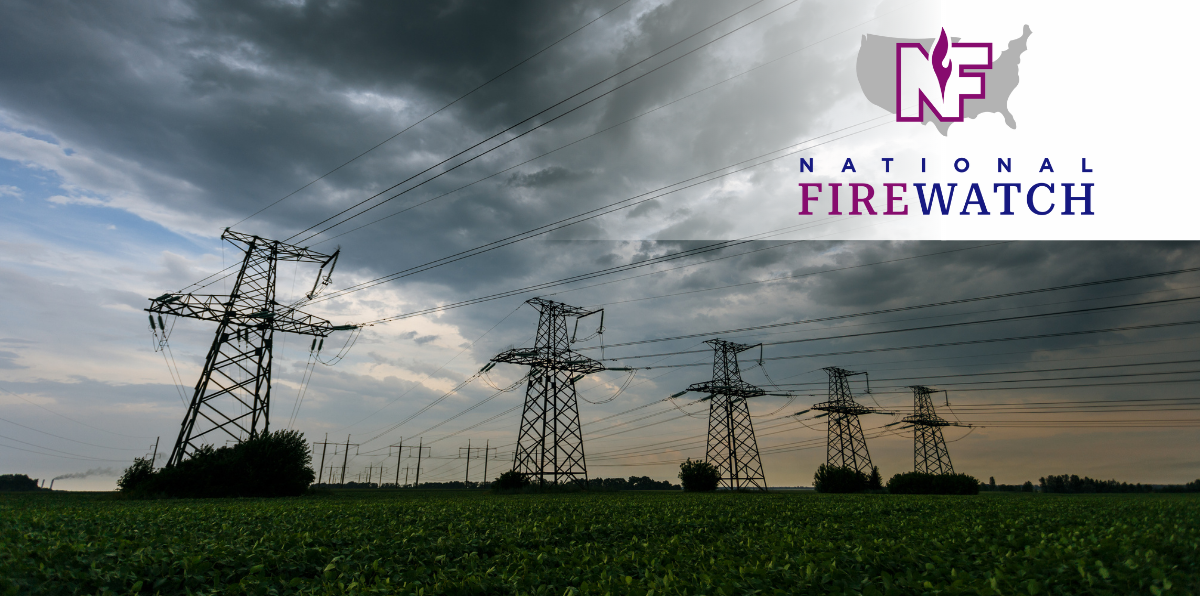
- Coordination with utility providers to monitor compromised power lines and reduce ignition sources.
- Communication with emergency services when detectors, sprinklers, or road access routes fail after a storm.
- Temporary deployment of trained personnel to substitute for disabled automated systems or overloaded fire crews.
In high-risk periods—such as wildfire season or when strong winds and drought conditions coincide—fire watch teams may also support public evacuation alerts and assist in community fire safety education.
Preparing for 2026: Best Practices and Planning
If the events of 2025 taught emergency planners anything, it’s that extreme weather and disaster risk are closely linked and require proactive strategies, including fire watch procedures. Here’s a checklist communities and organizations can use to enhance readiness in 2026:
- Risk Assessment: Identify areas where extreme winds, drought, or electrical infrastructure issues could increase the risk of fires.
- Integrate Systems: Ensure 911, utility crews, emergency managers, and fire watch teams share real‑time data (e.g., outages, weather alerts).
- Training & Drills: Conduct fire watch and emergency response drills simulating power outages and severe weather.
- Public Awareness: Educate residents on reporting fire hazards during disasters and maintaining defensible spaces around their properties.
- Redundant Systems: Invest in backup power for detectors, alarms, and fire-suppression systems in critical facilities.
Why Fire Watch Matters More Now
As climate scientists and disaster analysts have highlighted, extreme weather events are intensifying in frequency and severity. This trend not only fuels wildfires but also amplifies the impacts of disasters such as floods, hurricanes, and infrastructure failures.
Recognizing fire watch as a core component of broader disaster preparedness helps ensure that communities remain safer, respond faster, and reduce loss when extreme weather strikes. By learning from 2025’s disasters and strengthening fire watch planning in 2026, municipalities, businesses, and households alike can improve resilience against the unpredictable forces of nature.
Contact National Firewatch
Advanced planning is your best defence against disaster. If 2026 brings extreme weather to your region, we highly recommend contacting a reliable fire watch provider now so you’re not caught off guard when disaster strikes.
National Firewatch was created to deliver same-day fire watch deployments nationwide. Our 24/7 dispatch responded to communities across the country in 2025, and we are ready to assist again during the weeks of inclement weather ahead. Contact us if you’d like to start planning ahead, or if you need guards on-site ASAP.